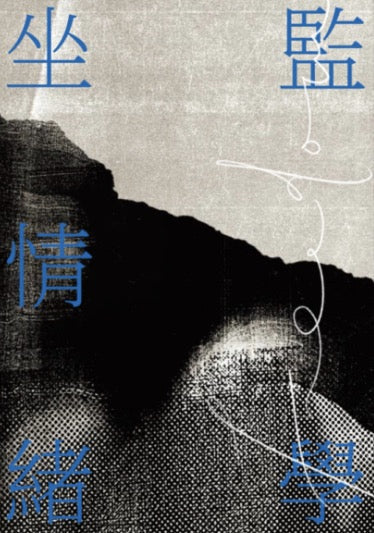
Emotional Studies of Prison
Emotional Studies of Prison
Shao Jiazhen
Low stock
Couldn't load pickup availability
ISBN
ISBN
share
书籍简介
In 1944, existentialist Sartre uttered a paradox: "We were never more free than during the German occupation." He likely meant that in such extreme social conditions during the occupation, individual choices could lead to death, and thus everyone truly understood the meaning of "freedom." The literal meaning isn't hard to grasp, but I've only truly felt its practical meaning today.
When we are imprisoned in various jails, isn't that when our emotions are most sensitive and abundant? Anger reveals sharp teeth; fear widens bewildered eyes; nervousness causes rapid gasping for breath; pain tenses muscles into spasms; hunger churns rumbling stomachs, leading to uncontrollable desires during excitement. In short, it's the body that is imprisoned, not the emotions.
Joy, anger, worry, contemplation, sorrow, fear, and shock suddenly run wild in the cell. Prisoners must control their emotions to control everything else.
出版日期/Publication Date:
出版社/Publisher:藍藍的天
出品方/Imprint:
页数/Page: 252